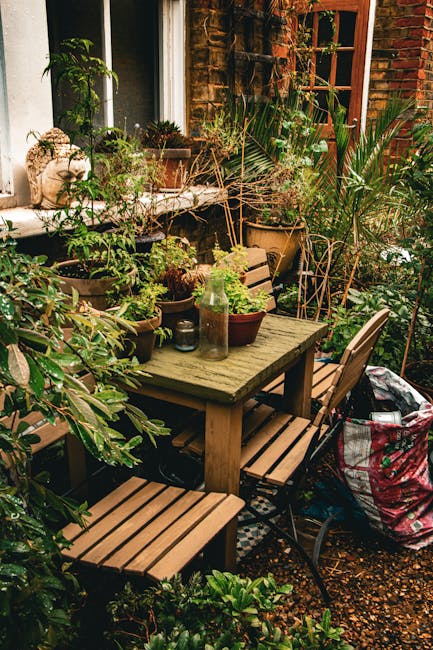
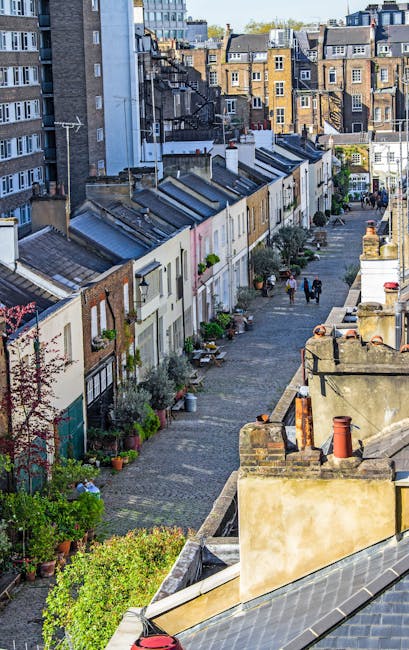
Best gardeners near Kilburn High Road NW6 for small gardens
If you live near Kilburn High Road and your outdoor space is more "compact London courtyard" than "big suburban lawn," you already know the challenge. Small gardens can look lovely, but only if they're handled with care. The wrong cut, the wrong plant, or one rushed visit can make a tight space feel even tighter. That's why finding the Best gardeners near Kilburn High Road NW6 for small gardens matters so much: the right gardener won't just tidy things up, they'll help you make every square metre work harder.
This guide walks through what to look for, how the work usually runs, what good value looks like, and how to avoid the classic mistakes that waste time and money. We'll keep it practical, local, and honest. No fluff. Just the kind of advice that helps when you're standing in a narrow patio with a cup of tea and wondering where the heck to start.
Table of Contents
- Why Best gardeners near Kilburn High Road NW6 for small gardens Matters
- How Best gardeners near Kilburn High Road NW6 for small gardens Works
- Key Benefits and Practical Advantages
- Who This Is For and When It Makes Sense
- Step-by-Step Guidance
- Expert Tips for Better Results
- Common Mistakes to Avoid
- Tools, Resources and Recommendations
- Law, Compliance, Standards, or Best Practice
- Options, Methods, or Comparison Table
- Case Study or Real-World Example
- Practical Checklist
- Conclusion
- Frequently Asked Questions
Why Best gardeners near Kilburn High Road NW6 for small gardens Matters
Small gardens are surprisingly unforgiving. There's less room for error, less room for bulky plants, and less tolerance for poor layout. A big garden can absorb a few awkward choices. A small one usually cannot. That's why the best local gardeners are not just "people who cut hedges." They need an eye for proportion, plant health, drainage, light, and how a space feels when you actually use it.
Near Kilburn High Road NW6, many gardens sit behind terraced homes, flats, or compact family properties. That often means limited access, narrow side passages, shaded corners, and a mix of paving and planting. It also means a gardener has to work efficiently without trampling everything in sight. A good gardener understands this rhythm. They know how to make a small plot feel calmer, cleaner, and more intentional.
Truth be told, the wrong gardener can leave a small garden looking chopped-up and tired. The right one can make it feel like an extra room. That's the real difference.
If you want to understand the wider scope of what a local team can handle, it helps to review a proper services overview. It gives a clearer picture of how maintenance, planting, clearing, and seasonal work fit together.
How Best gardeners near Kilburn High Road NW6 for small gardens Works
Good small-garden care usually starts with a simple assessment. The gardener looks at what's already there, what the space gets in terms of light, where water collects, how often the garden is used, and how much upkeep the owner actually wants. That last part matters more than people realise. A beautiful planting scheme is only useful if you can live with it.
In practice, the process often includes some combination of pruning, edging, weed control, lawn care if there is a lawn, plant selection, soil improvement, and tidying of awkward corners. On compact sites, even small changes are noticeable. A hedge cut a little more carefully, a border thinned out, or a climber trained properly can change the whole feel of the place.
Most small-garden work near Kilburn is best done with a light touch. Heavy-handed methods tend to create more waste than value. A gardener who understands this will work in layers: first the structure, then the maintenance, then the little details that make the garden feel finished. You notice it most at the end of a visit, when everything suddenly breathes a bit better.
For readers comparing providers, it may help to check the company's approach to who they are and how they work, especially if you care about consistency, communication, and whether they understand smaller residential spaces properly.
Key Benefits and Practical Advantages
When a small garden is looked after well, the benefits are immediate. It becomes easier to use, easier to clean, and easier to enjoy. The space may still be small, obviously, but it no longer feels cramped or chaotic. That's a big difference on a summer evening when you want to sit out for ten minutes and not be surrounded by weeds.
Key advantages of hiring the right gardener include:
- Better use of space - compact gardens need neat edges, smart planting, and clear zoning.
- Healthier plants - regular pruning and feeding can stop weak growth taking over.
- Less long-term maintenance - a tidy, well-planned garden is easier to keep under control.
- Improved kerb and home appeal - even a tiny front or rear space can lift the whole property.
- Safer access and tidier surfaces - moss, slippery paving, and clutter become less of an issue.
- Better seasonal rhythm - the garden looks in step with the time of year rather than permanently stuck in one messy state.
There's also a mental benefit people don't always mention. Small outdoor spaces can become stressful when they feel like another thing on the to-do list. A reliable gardener takes that pressure away. Not completely, but enough.
Expert summary: The best results in small London gardens usually come from restraint, regular maintenance, and thoughtful planting rather than dramatic redesigns. Small spaces reward consistency.
Who This Is For and When It Makes Sense
This kind of service is a good fit for people who want a tidy, usable garden without turning it into a full landscaping project. If your outdoor space near Kilburn High Road NW6 is modest in size, and you want it to feel neat rather than overworked, you're in the right place.
It makes sense if you:
- have a courtyard, patio, narrow rear garden, or small front garden;
- want regular maintenance rather than occasional emergency clean-ups;
- have shrubs, pots, climbers, or raised beds that need proper attention;
- struggle with weeds, overgrowth, or patchy planting;
- need someone who can work around limited access or shared paths;
- prefer a garden that looks good with realistic upkeep, not a show garden that collapses after two weeks.
It may also suit landlords, homeowners preparing a property for sale or rent, and busy households that simply do not have the hours to keep on top of it all. Let's face it, most people don't want to spend Saturday morning wrestling ivy while the weather is doing its usual London thing.
Step-by-Step Guidance
If you're choosing gardeners for a small plot, a bit of structure makes the whole process easier. Here's a sensible way to approach it.
- Look closely at your garden's problems. Is it weeds, poor layout, too much shade, or just a lack of time?
- Decide what "good" looks like. Do you want a simple tidy-up, seasonal care, or a more polished look with planting advice?
- Check how they handle small spaces. Some gardeners are brilliant on large grounds but less thoughtful in tight urban gardens.
- Ask about access and waste removal. Small gardens can still create bags of green waste, especially after hedge work or clearance.
- Request a clear quote. A good quote should explain what is included, what may cost extra, and whether materials or disposal are part of the price.
- Start with one visit if unsure. A single initial session can reveal a lot about quality, speed, and communication.
- Review the result after a few weeks. In a small garden, the proof is not just how it looks on day one, but how well it stays manageable.
That final step is often overlooked. A tidy garden after one visit is nice. A tidy garden after three weeks, with very little effort from you, is the real test.
Expert Tips for Better Results
Small gardens reward careful thinking. The following tips come up again and again in real-world residential work, especially around dense London neighbourhoods where space is at a premium.
- Keep planting layered, not crowded. One of the fastest ways to make a small garden feel smaller is to cram in too many plants.
- Use vertical space. Climbers, trained shrubs, and wall-friendly planting can lift the eye without eating floor space.
- Choose plants that suit the light. A shady Kilburn garden will not behave like a suntrap, no matter how much you wish it would.
- Prioritise access. If a gardener can reach beds easily, the whole garden becomes easier to maintain.
- Keep hard surfaces clean. Paved areas, steps, and edges often make the biggest difference to how tidy a small space feels.
- Ask for low-maintenance recommendations. Compact gardens often work best when plants are chosen for reliability rather than novelty.
A small bit of practical judgement goes a long way. For example, a shrub that grows too large can swallow half a patio in one season, which sounds dramatic because, well, it is a bit dramatic.
If sustainability matters to you, it is worth asking how clippings, soil, and waste are handled. A team with a sensible approach to recycling and sustainability can help reduce unnecessary waste and keep the work more environmentally considered.
Common Mistakes to Avoid
There are a few mistakes that show up constantly in small-garden projects. Avoiding them can save money and disappointment.
- Choosing the cheapest quote without checking scope. Low prices can hide limited service, rushed work, or extra charges later.
- Overplanting. It looks full on day one, then becomes a mess by midsummer.
- Ignoring maintenance frequency. A small garden often needs lighter, more regular care rather than rare major clearances.
- Not thinking about shade and drainage. These two factors often decide whether a garden thrives or struggles.
- Letting hard surfaces slip into neglect. Mossy paving, blocked drains, and untidy edges make even a nice planting scheme look tired.
- Failing to agree on disposal. Green waste piling up in a small property is, frankly, a nuisance no one needs.
And here's a common one: assuming every gardener does every type of job equally well. They don't. Some are great at pruning and seasonal maintenance. Others are better at planting or clearance. Asking the right questions early avoids awkwardness later.
Tools, Resources and Recommendations
You do not need to be a gardening expert to make smarter choices. A few simple tools and references can help you brief a gardener properly and judge the results more confidently.
Useful things to have ready before you call:
- photos of the garden from different angles;
- a rough note of what you dislike most;
- a list of plants you want to keep, if any;
- the access details, such as side passage width or shared entry points;
- your preferred maintenance frequency;
- any concerns about pets, children, slippery surfaces, or storage.
Useful service questions to ask:
- Can you work on small urban gardens regularly?
- Do you provide pruning, hedge shaping, and general tidy-ups?
- How do you price a compact garden that still needs a proper amount of work?
- What happens to green waste after the job?
- Can you advise on low-maintenance planting?
If you want a sense of pricing structure before you book, have a look at the company's pricing and quotes information. Clear pricing matters even more in small gardens because a modest space should not be treated like a vague, open-ended project.
Also useful: a quick read of the company's main services page can help you see whether the team offers the sort of maintenance mix your space actually needs.
Law, Compliance, Standards, or Best Practice
For most small residential garden jobs, the biggest issues are not legal drama or complicated regulation. They're common-sense standards: safe working, proper waste handling, respectful access, and sensible communication. Still, it is wise to choose a gardener who treats these things seriously.
In the UK, a professional gardening service should be clear about insurance, safety practices, and how it manages risks on site. That matters if tools are used near steps, fences, shared access ways, children's areas, or awkward paving. If you ever hear a provider shrug off safety questions, that's a red flag. Not a huge one, maybe, but enough.
It is also sensible to ask how the team handles items like sharp tools, chemical products if any are used, and waste storage while work is underway. A well-run business will have straightforward answers. For further reassurance, you can review practical policies such as health and safety guidance and insurance and safety information.
For booking, cancellation, and payment expectations, it helps to understand the terms before you commit. That is just good practice. The same goes for payment and security, which should always feel clear and straightforward rather than mysterious.
If you prefer to know more about the business itself, the about page and the contact page are the simplest places to start a proper conversation.
Options, Methods, or Comparison Table
Not every small garden needs the same kind of help. A comparison can make the decision less confusing.
| Approach | Best for | Strengths | Trade-offs |
|---|---|---|---|
| One-off tidy-up | Overgrown or neglected small gardens | Fast visual improvement, good reset | Can fade quickly without follow-up care |
| Regular maintenance | Busy homeowners who want consistency | Keeps growth under control, lower stress | Needs recurring visits and planning |
| Planting refresh | Gardens that look tired or bare | Better structure, colour, and seasonal interest | Requires correct plant choice and aftercare |
| Full redesign support | Gardens with layout problems | Creates a more usable space | More time, more cost, more decisions |
For a lot of homes near Kilburn High Road NW6, regular maintenance is the sweet spot. It keeps things under control without turning the garden into a never-ending project. But if the layout is genuinely awkward, a one-off tidy-up alone may only mask the problem.
Case Study or Real-World Example
Imagine a small rear garden behind a terraced property off Kilburn High Road. It has a narrow patio, a strip of planting, one tired shrub, and a patch of weeds creeping through the edges. Nothing dramatic, just messy enough that nobody wants to sit out there.
A good local gardener would probably start by clearing the weeds, trimming back the shrub, cleaning the paving edges, and checking whether any plant is blocking light or crowding the space. They might suggest swapping one oversized plant for a couple of smaller, texture-rich options that give shape without swallowing the garden. If the area gets little direct sun, they'd avoid suggesting plants that need bright conditions to survive. Simple, really, but that's where experience shows.
After that first visit, the garden would not become a magazine spread. That's not the point. It would become usable. Cleaner lines. Less clutter. A bit of structure. The kind of space where you can place a chair without moving three pots and a bag of compost first. Those little wins matter.
That is what people often mean when they say they want the best gardeners near Kilburn High Road NW6 for small gardens. They do not mean flashy. They mean practical, thoughtful, and consistently good.
Practical Checklist
Use this quick checklist before you book a gardener for a small London garden.
- Do they understand compact residential gardens?
- Have they asked about your light, access, and maintenance goals?
- Is the quote clear about what is included?
- Do they explain how they handle green waste?
- Are they comfortable with pruning, tidy-ups, and planting support?
- Do they seem realistic about what can be done in one visit?
- Have you seen clear information about safety and insurance?
- Do they offer a service level that fits your budget and time?
- Have you checked whether their approach suits your garden, not just gardens in general?
- Do you feel comfortable talking to them? That counts more than people think.
A garden is personal. If a provider listens well, explains things clearly, and does not overpromise, you are usually on the right track.
Conclusion
Choosing the Best gardeners near Kilburn High Road NW6 for small gardens is really about finding someone who understands scale. Small spaces need discipline, patience, and a light but informed touch. They also need a gardener who respects the practical realities of London homes: limited access, mixed shade, busy owners, and the need for results that last longer than a weekend.
Focus on clarity, experience with compact spaces, sensible pricing, and a maintenance plan that fits your life. If a gardener can make your outdoor space feel calmer, easier, and more inviting without overcomplicating everything, that's a strong sign you've chosen well. And if your garden ends up being the quiet little place you actually want to use again, well, that's a good outcome. A very good one.
Get a free quote today and see how much you can save.
If you are ready to take the next step, use the company's contact page to start the conversation and explain what your small garden needs. Sometimes the best change begins with one honest look at the space and a straightforward chat.
Frequently Asked Questions
What should I look for in gardeners near Kilburn High Road NW6 for a small garden?
Look for experience with compact urban spaces, clear pricing, good communication, and evidence that they understand pruning, planting balance, and access issues. Small gardens need judgement, not just effort.
How often should a small garden be maintained?
That depends on the planting, season, and your expectations. Many small gardens benefit from regular light maintenance rather than occasional heavy work, because they can go from neat to messy quite quickly.
Is a one-off tidy-up enough for a small garden?
Sometimes, yes, if the space just needs a reset. But if weeds, overgrowth, or poor planting are recurring issues, regular visits usually give better long-term value.
Can gardeners help make a small garden look bigger?
Yes. Through better layout, lighter planting, cleaner edges, vertical interest, and reduced clutter, a skilled gardener can make a small space feel more open and balanced.
Do small gardens cost less to maintain?
Often they can, but not always by as much as people expect. Tight access, detailed pruning, and awkward layouts can still take real time. The best quote is the one that matches the actual work.
What if my garden gets very little sun?
That is common near terraced homes and taller buildings. A good gardener will choose plants suited to shade or partial shade and avoid forcing sun-loving plants into a space that will not support them.
Should I ask about waste removal?
Yes, definitely. Even a small garden can generate a surprising amount of green waste after clearance or pruning. It is better to know in advance how that will be handled.
What services are most useful for a compact garden?
In many cases, pruning, edging, weeding, planting advice, hedge shaping, and seasonal tidy-ups are the most useful. If you want a broader picture, a service summary like the services overview can help.
How do I know if a gardener is trustworthy?
Look for clear terms, sensible answers to safety questions, and a professional approach to communication. You can also review their insurance and safety information and terms and conditions for extra reassurance.
Can gardeners advise on low-maintenance planting?
Yes, and for small gardens that advice is often very valuable. Low-maintenance planting should still look attractive, but it needs to be realistic for your light levels, access, and the amount of time you actually want to spend gardening.
What if I am unhappy with the work?
A professional company should have a clear way to handle concerns. It is worth checking the complaints procedure so you know what to expect if something needs to be put right.
Can I get help before I commit to regular visits?
Absolutely. Many people start with one visit to see how the gardener works. That is often the smartest way to begin, especially if you want to test fit before committing to an ongoing schedule.